A polished screen is evidence that a decision was made. It is not the value of the decision.
Grids, type, motion and interaction matter. They make a product usable and give it character. But they are tools. The leverage comes from the idea they make clear.
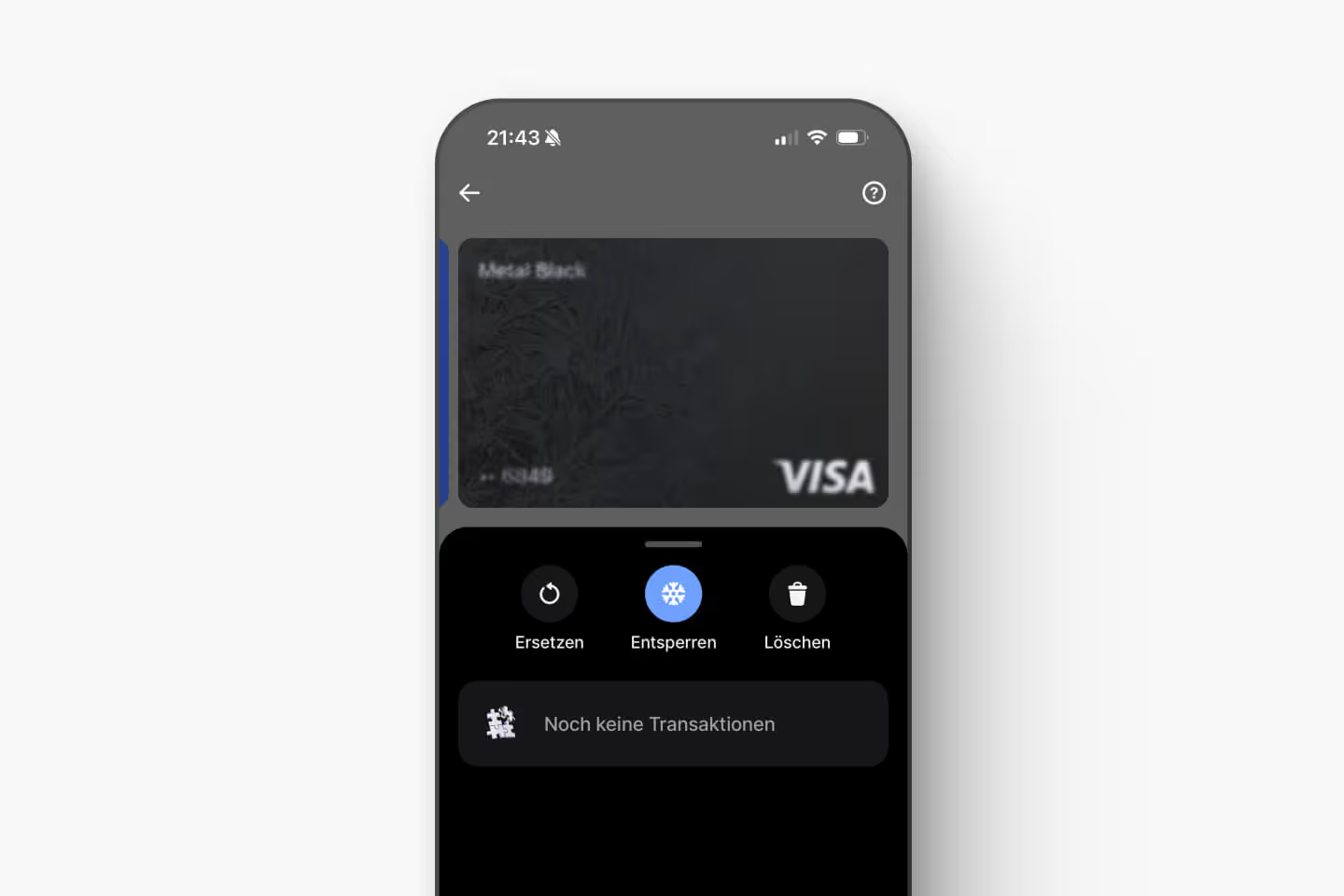
Consider a frozen bank card. The interface can be beautifully drawn, but the useful idea is simpler: I am still in control, even when something goes wrong. Every word, state and interaction should make that thought easier to believe.
Give people a model
Good design helps someone form an accurate picture of what a product does and what will happen next. That picture is what they remember after the screen is gone.
This is why communication is part of product design. Positioning, naming, empty states and error messages all teach the same system. If they tell different stories, the interface may look consistent while the product feels incoherent.
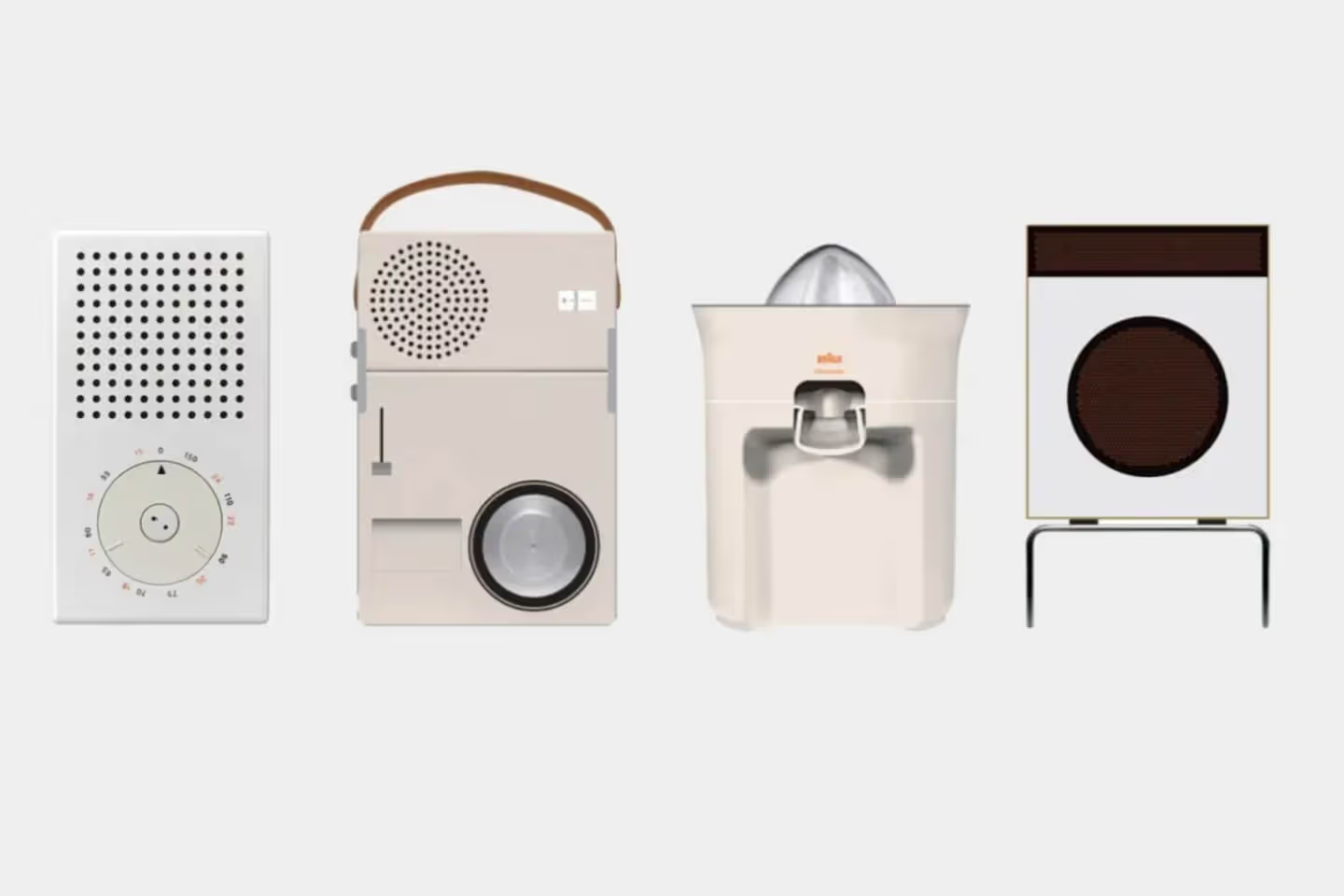
Mechanics in service of meaning
Craft still matters. A weak hierarchy can hide the idea; a careless interaction can break trust. But polishing mechanics without a clear idea only makes confusion more attractive.
Before refining the screen, I want to know:
- What should the person understand?
- What should they feel confident doing next?
- What single idea must survive when everything decorative is removed?
The value of design is not that it makes an idea look finished. It makes the idea understandable, usable and worth remembering.